
Robotic Systems and Satellite Robotics
The Robotics and Artificial Intelligence Systems Laboratory is a state-of-the-art, interdisciplinary research and development centre, established with a view to carrying out advanced orbital projects
Satellite robotics and robotic systems are playing an increasingly important role in the operation, maintenance and expansion of space infrastructure. Thanks to advanced manipulators and autonomous control systems, it is now possible to carry out precise operations in orbit, such as satellite repairs, the assembly of space structures and the capture of objects.
The laboratory’s infrastructure enables comprehensive work in the field of satellite robotics – including orbital manipulation and satellite servicing – as well as planetary robotics, with a focus on technologies for exploring the surfaces of other celestial bodies.
The laboratory also offers extensive facilities for the design, testing and implementation of control algorithms for autonomous land and air vehicles, integrating cutting-edge approaches from the field of artificial intelligence, such as machine learning, trajectory planning, sensor data processing and decision-making systems.
Thanks to its state-of-the-art facilities, including simulation environments and physical test tracks, it is possible to carry out realistic testing and validation of systems under conditions similar to those encountered in the real world. Importantly, the Laboratory is available for hire – both to academic units and research institutes, as well as to commercial companies seeking professional facilities for the development of innovative technological solutions.
This unique environment fosters cross-sectoral collaboration and accelerates the transfer of knowledge and technology between academia and industry.
Range of services offered by the Laboratory
- Satellite robotics – testing robotic space systems using artificial intelligence.
- Design and testing of autonomous vehicles and robots in extreme conditions (mines, work in and under water).
- Software implementation of intelligent control systems.
- Non-holonomic robotic systems – research and testing.
- The development of systems to support the analysis, design, implementation and testing of robots.
Thanks to its modern infrastructure and access to advanced technologies, the laboratory offers flexible rental terms – suitable for both long-term research and development projects and short-term tests and experiments.
Laboratory equipment
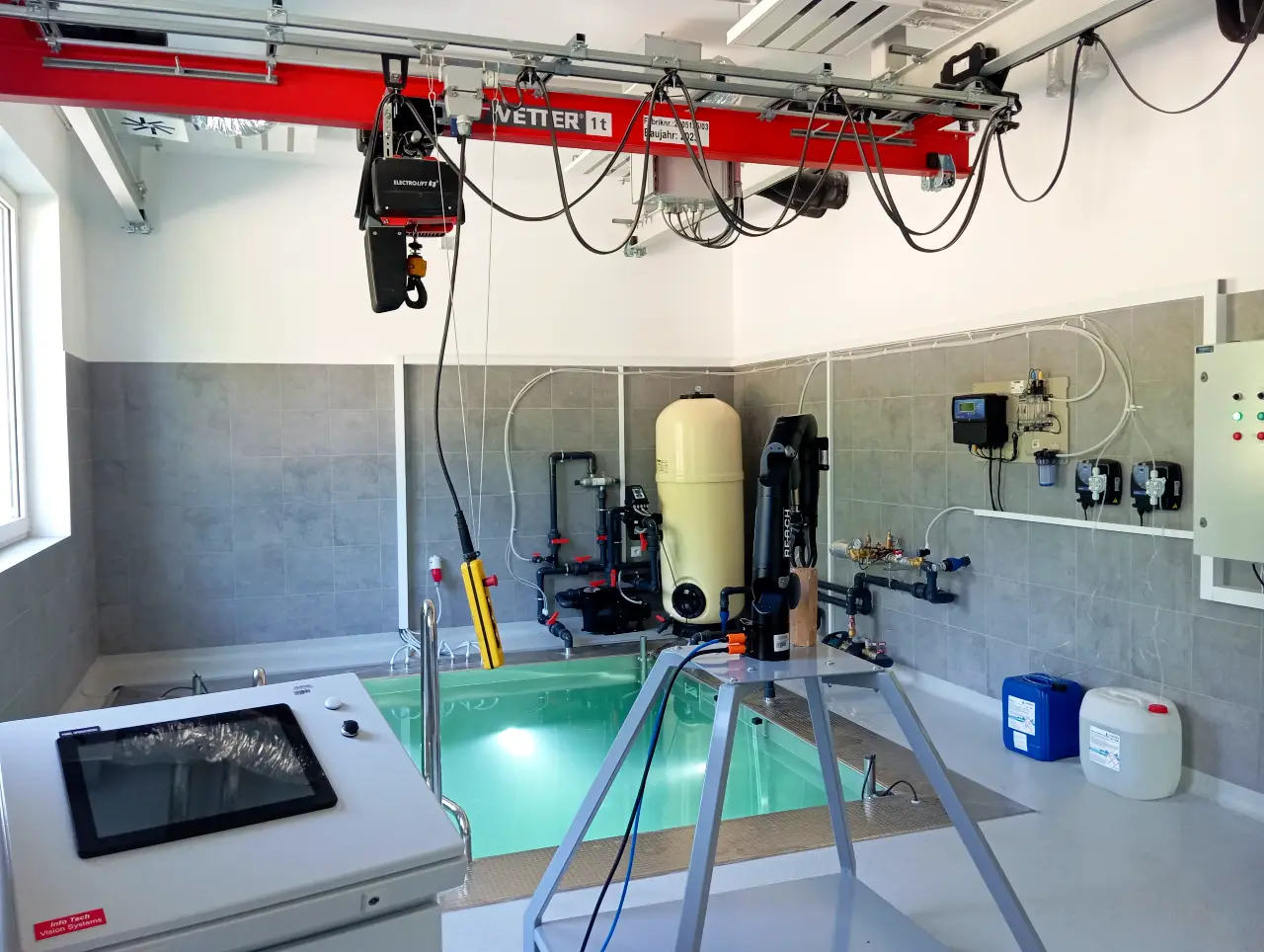
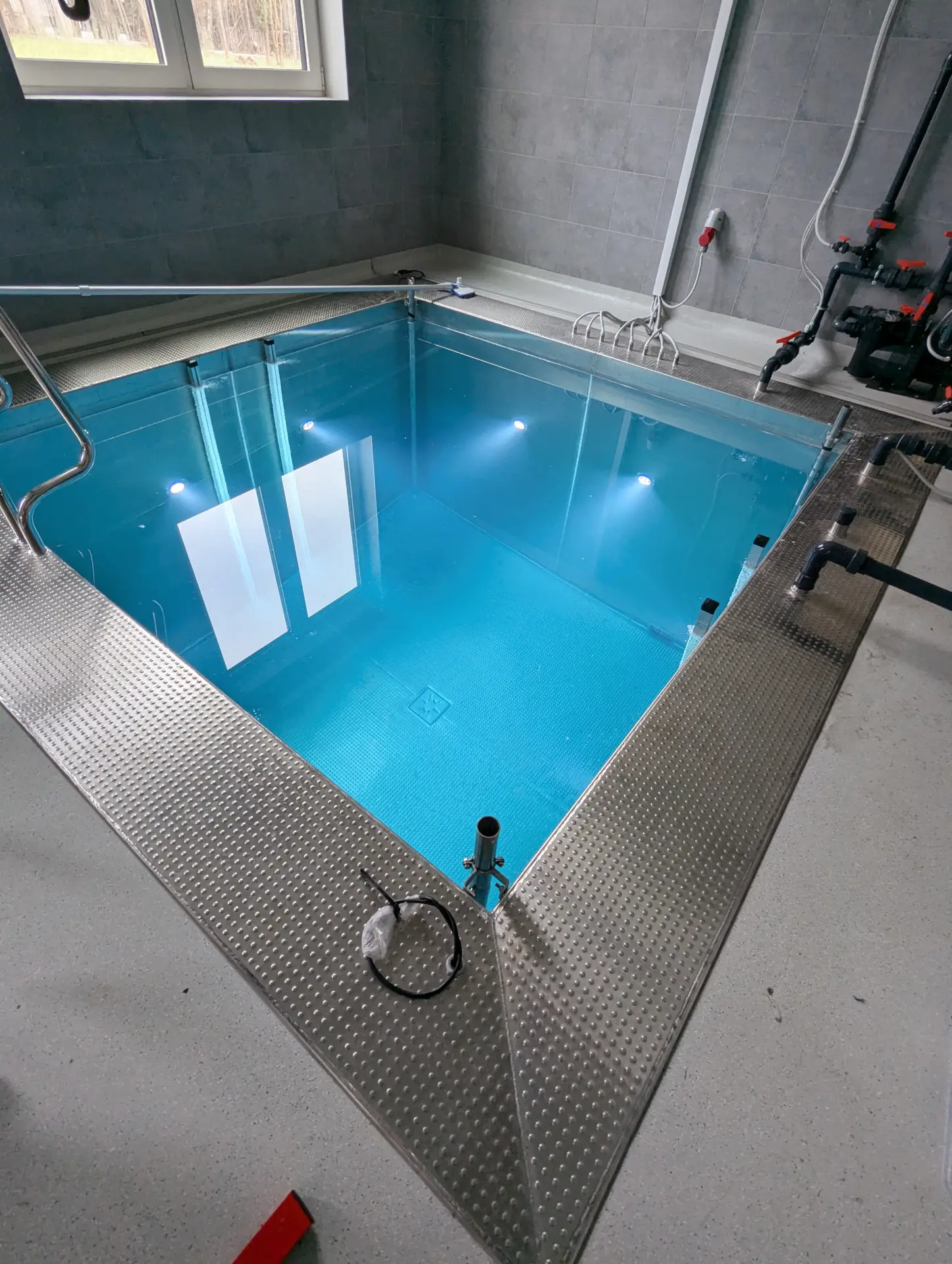
One of the most important pieces of equipment is a 3 × 3 × 3 m pool, in which the buoyancy of the water counteracts gravity, allowing microgravity conditions to be simulated. This makes it possible to test satellite manipulators (with 6–7 degrees of freedom) and planetary rovers equipped with robotic arms in conditions similar to those found in outer space. The pool is fitted with an automatic water exchange and treatment system, ensuring high water clarity and consistent physicochemical parameters.
In order to precisely monitor the movements of manipulators and mobile platforms, the laboratory utilises a system of four high-resolution cameras positioned in the corners of the pool. The cameras recognise light markers attached to the test objects, providing accurate information on the position and orientation of both the robotic arm and the entire platform. This data is processed by a dedicated computer console, which visualises and analyses the test proceedings, enabling real-time adjustments to be made.
The key piece of equipment in the laboratory is the Bravo 7 manipulator from Reach Robotics, which has been tried and tested in marine applications and is designed for remote operation in an underwater environment. It enables the simulation of satellite manipulator behaviour and the conduct of research into control systems utilising advanced motion control algorithms. The dSpace MicroLabBox is used for prototyping and implementing such algorithms; it forms the ‘heart’ of the control system, collecting data from sensors and transmitting commands to actuators in real time.
The laboratory is equipped with the MATLAB environment, including the Simulink platform and a set of around 30 additional modules (toolboxes), which enables rapid modelling, simulation and testing of even highly complex solutions. Built-in artificial intelligence and machine learning functions allow for the creation of autonomous control systems, which are used not only in space, but also in extreme industrial conditions – for example, in mines, underwater or in contaminated environments.
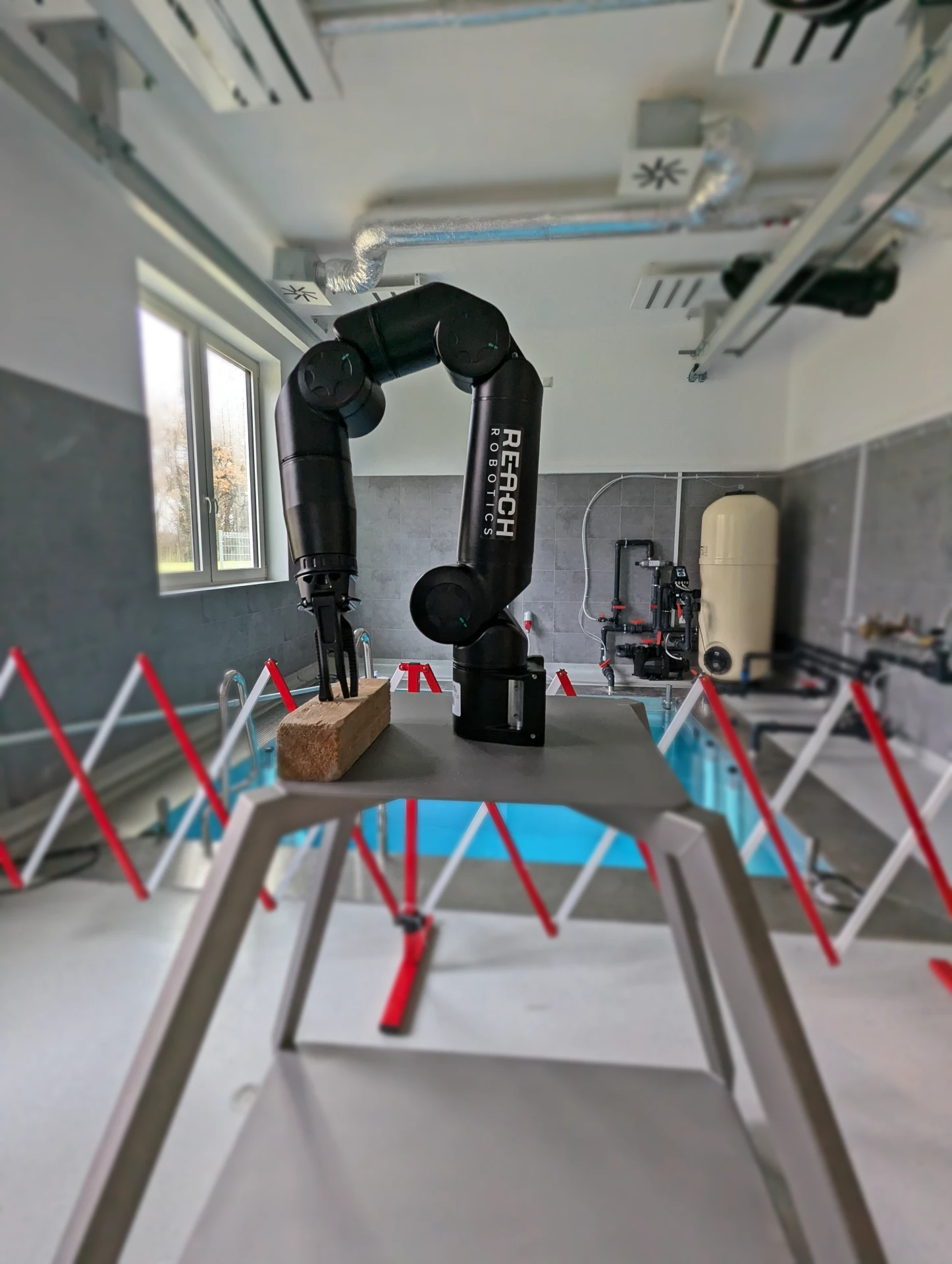
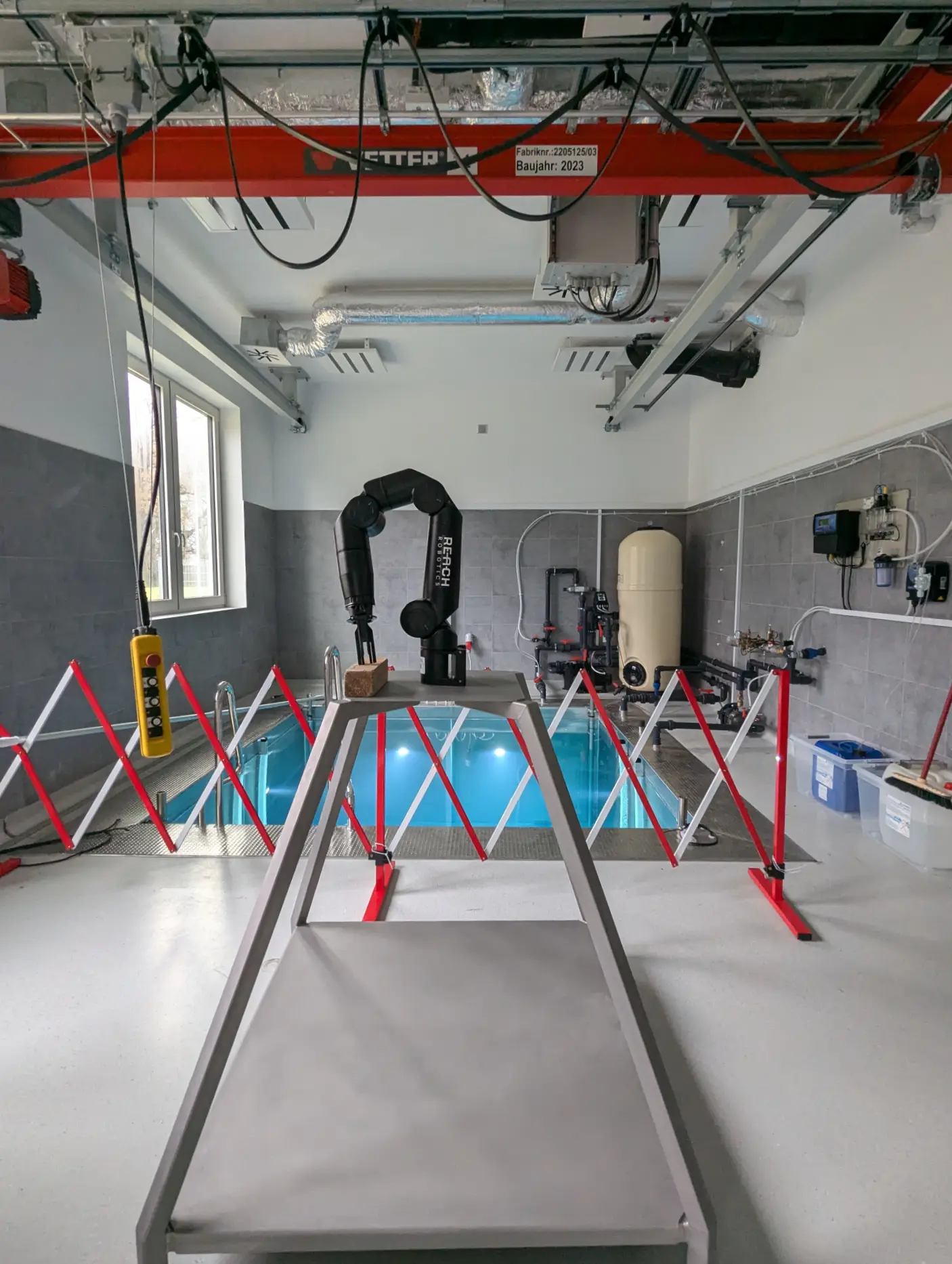
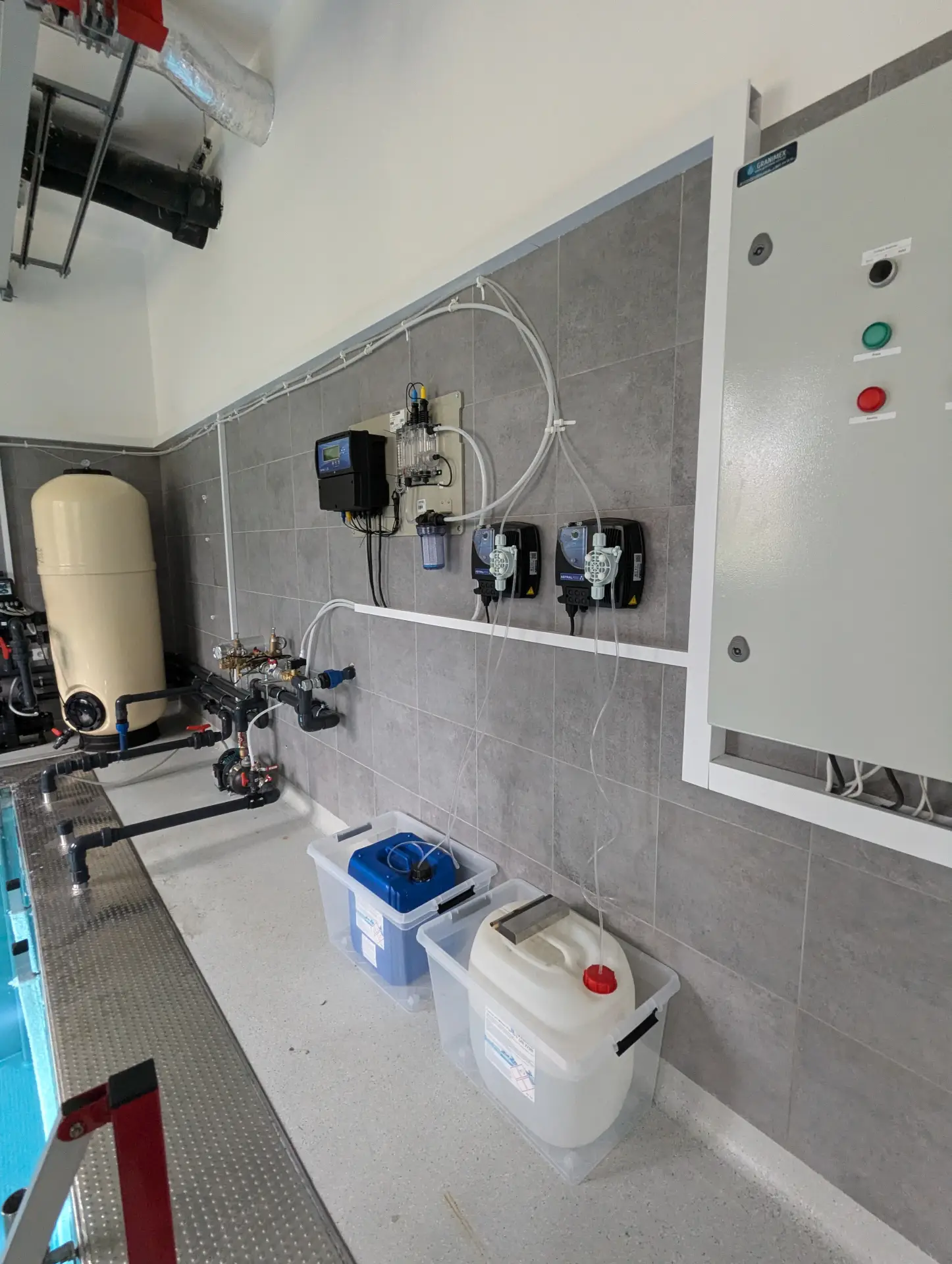
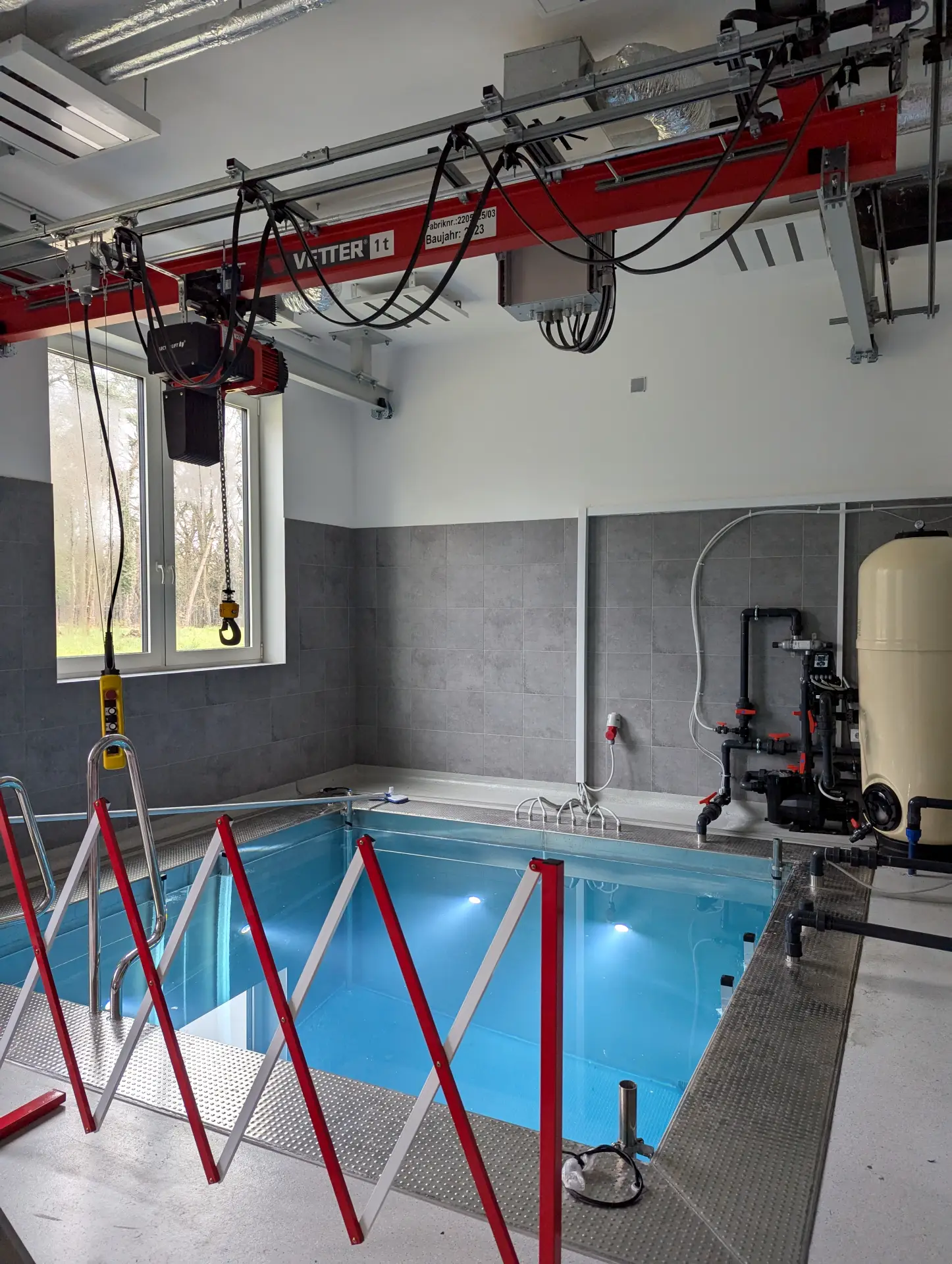
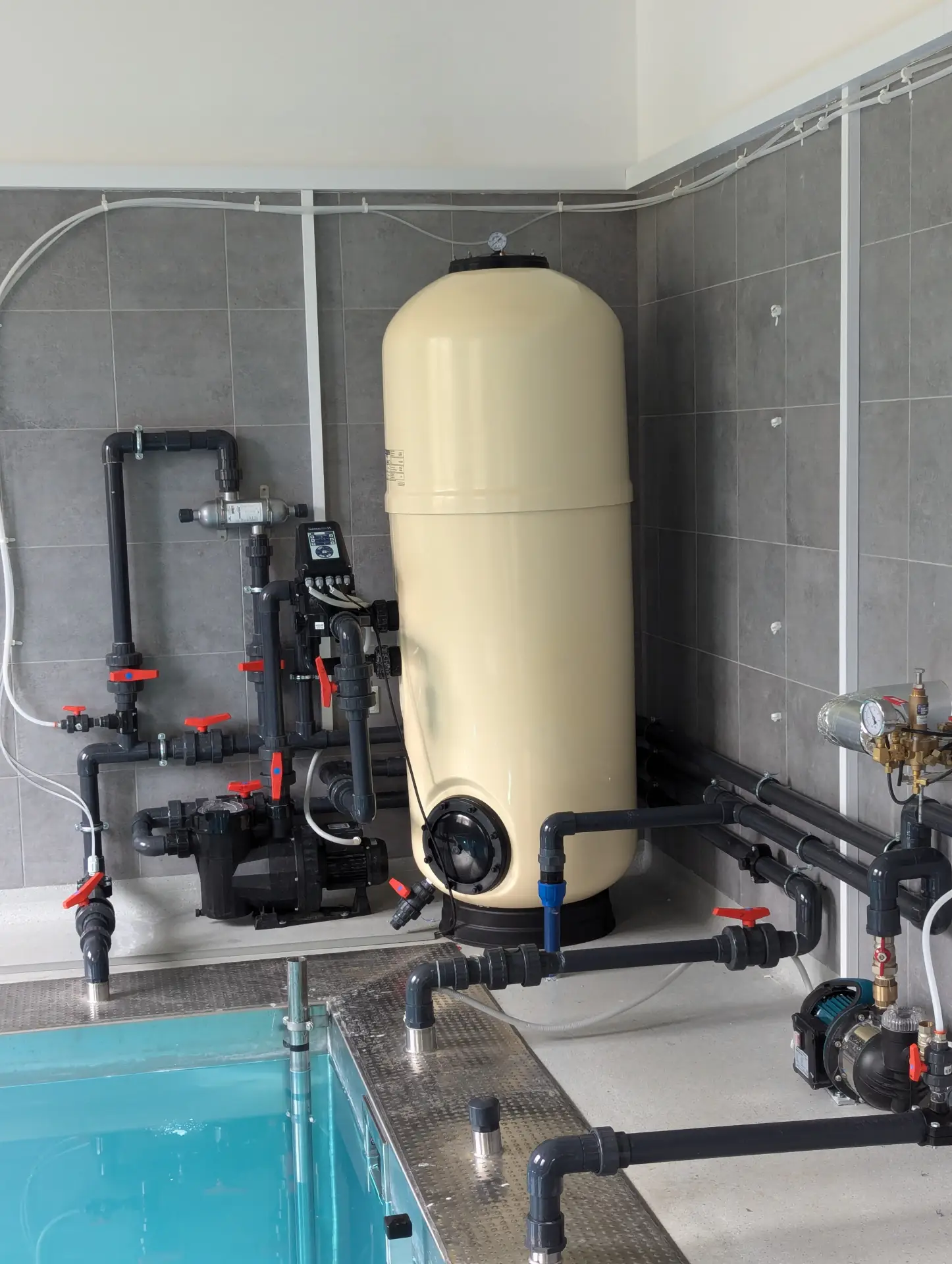
Satellite robotics and robotic systems form the basis for the long-term presence of humans and technology in space, enabling complex remote, maintenance and assembly operations to be carried out in orbit. In laboratory conditions, we conduct advanced research into the design, testing and simulation of such systems – ranging from manipulators and grippers to autonomous control algorithms. Laboratories of this kind play a key role in the development of reliable solutions for use in satellite missions, orbital servicing and the construction of next-generation space infrastructure.
Contact
Companies interested in hiring a laboratory or commissioning tests are kindly requested to contact us:
- Laboratory Coordinator: Dr Marek Węgrzyn, Eng.
- Infrastructure Management and Laboratory Services Department: laboratoria@ptklubuskie.com
We encourage you to collaborate with us and make use of the Space Technology Park’s state-of-the-art research facilities!